- Maison
- À propos de nous
- Produits
- Projets
- Nouvelles
- Envoyer une demande
- Contactez-nous

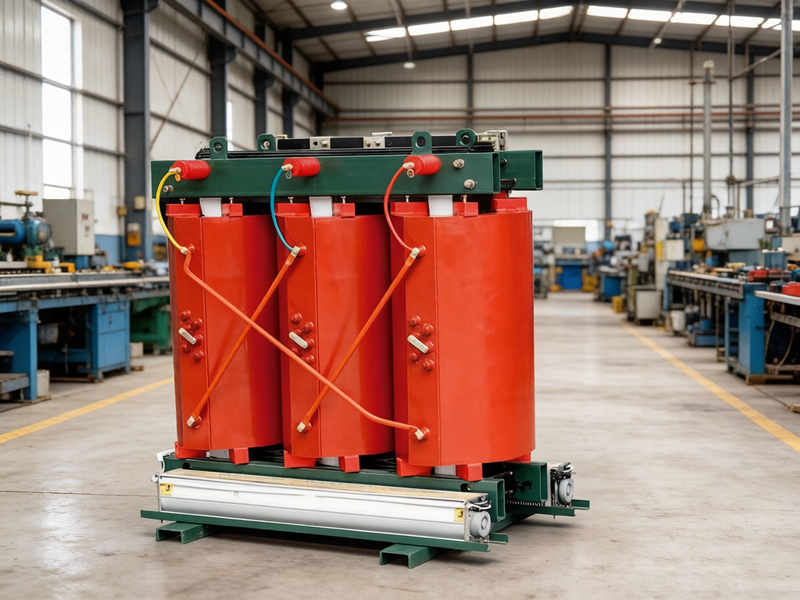
Dry-type transformers are indispensable core equipment in modern power systems, and their safe and stable operation is directly related to the reliability of the entire power supply network. Unlike traditional oil-immersed transformers, the core and windings of dry-type transformers are not immersed in insulating oil, but rely on solid insulating materials such as air or epoxy resin for insulation and cooling. This structural feature determines that it has extremely strict requirements on posture during transportation and storage. Among them, long-term inverted storage and transportation must be avoided, which is an insurmountable red line to ensure the performance and life of the equipment.
I. Why are dry-type transformers "afraid" of being inverted and tilted for a long time?
Unlike oil-immersed transformers, dry-type transformers rely entirely on air convection for cooling, and their windings are the "heart" of the entire equipment. Prolonged inversion or tilting (usually the inclination must not exceed 15°~30°) will cause the following irreversible damage:
1. Looseness and displacement of winding mechanical structure
The low-voltage windings of dry-type transformers are mostly wound with copper foil or copper wire, and the high-voltage windings are cast with glass fiber reinforced epoxy resin. During the vacuum casting and curing process, extremely high mechanical compression forces are formed inside the windings.
2. Hidden microcracks in epoxy resin castings
Although epoxy resin has high hardness, its bending and tensile strength are relatively limited.
3. Core multi-point grounding and magnetic flux distortion
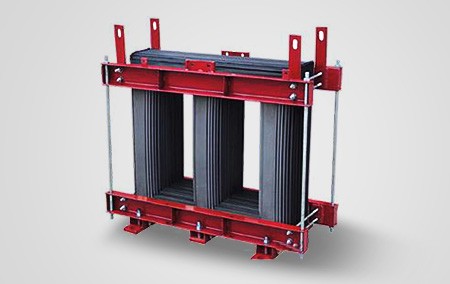
The iron core is the main magnetic circuit of the transformer and is usually fixed by threaded screws and clamps.
4. Damage to the fan and temperature control system
Dry-type transformers are usually equipped with axial cooling fans and temperature control boxes.
II. Standardize the standard operating procedures for transportation and storage
In order to avoid the above hidden dangers, the following standards must be strictly implemented during the entire logistics cycle of dry-type transformers:
1. Transportation: Strictly observe the inclined red line
2. Storage link: environment is better than posture
If the transformer needs to be stored for a long time (more than 3 months), in addition to maintaining a correct upright posture, environmental control is more critical:
3. Inspection after the site is in place
After the transformer arrives at the site and is installed, the following inspections must be performed before power is transmitted:
III. Conclusion
Dry-type transformers are high-precision electromechanical equipment, and the integrity of their insulation systems is directly related to the safe operation of the power grid. "Long-term inversion and improper storage are strictly prohibited" should not be just a warning slogan, but should become an ironclad operating rule engraved in the bones of logistics, warehousing and installation personnel.
Only by eliminating physical damage from the source can we ensure that this "power heart" can continue to deliver electricity stably and efficiently for decades to come.